Starting a child on coins without spending much
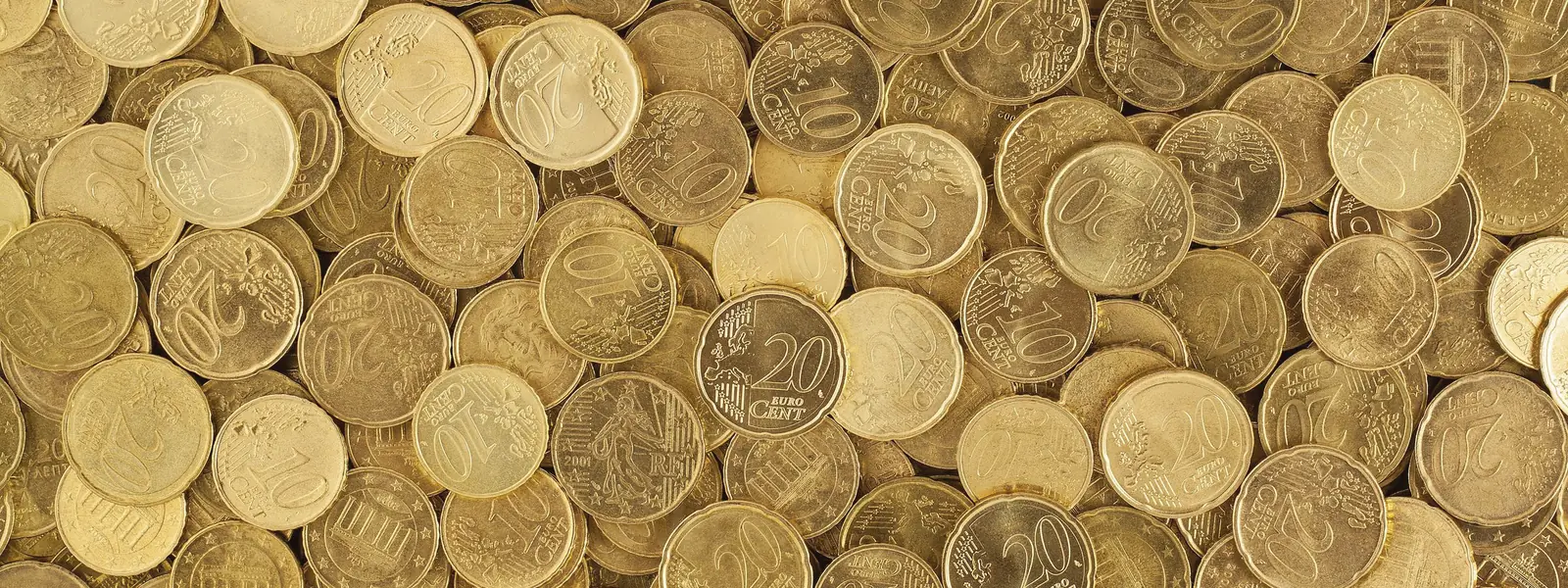
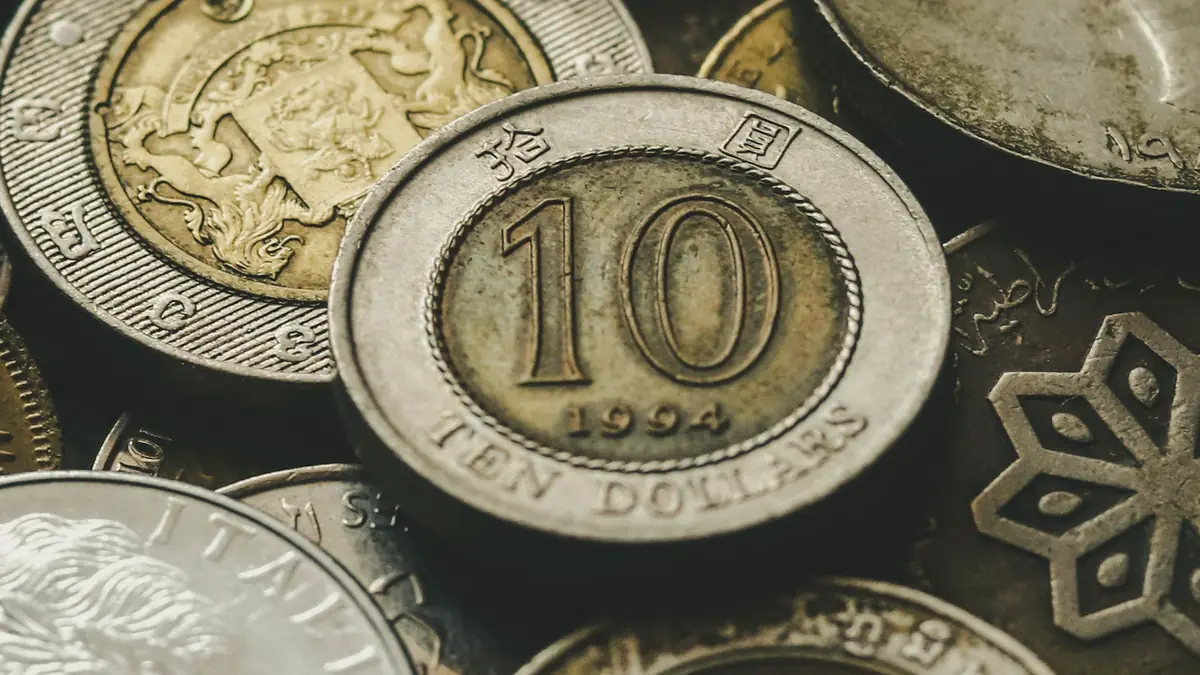
Coin collecting is one of the few hobbies a child can start with material already in the house. A jar of change contains dates spanning fifty years, two mint marks, several metal compositions and at least one design change. That is enough to build the first skill, which is looking carefully at something small and noticing that two of them differ.
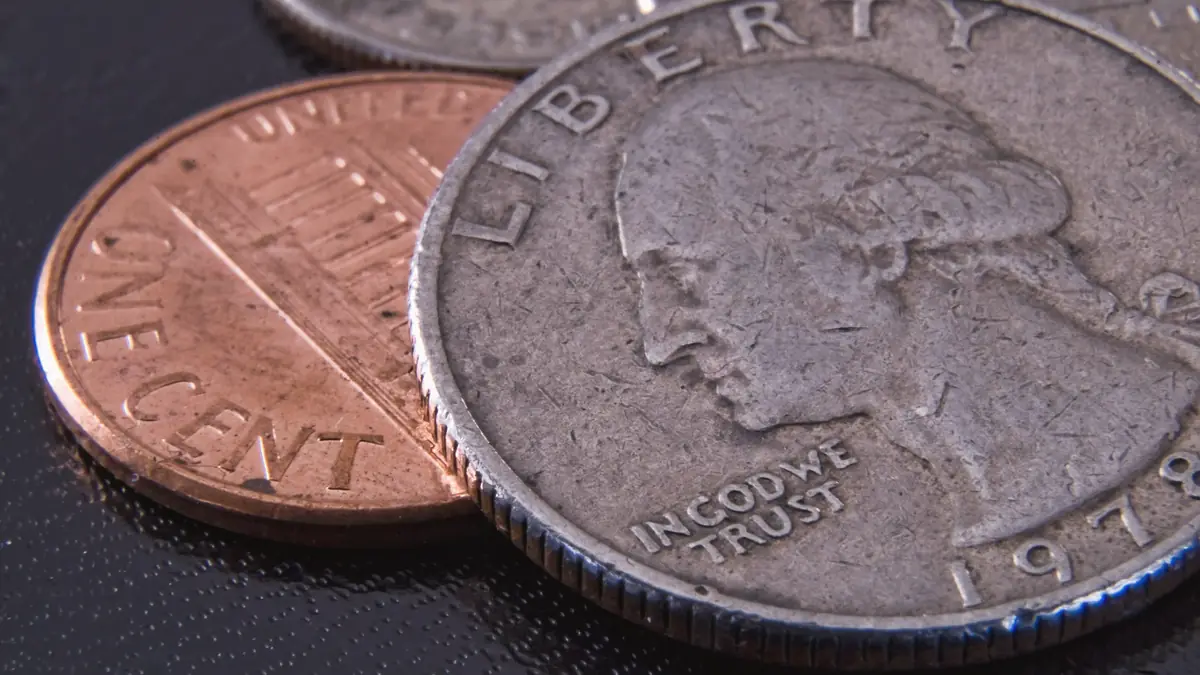
The useful first exercise is sorting by date and mint mark rather than by denomination. On United States coins the mint mark is the small letter near the date: P for Philadelphia, D for Denver, S for San Francisco. A child who can find it and explain what it means has learned more than one who owns an expensive coin.
What to buy first, and what not to
The first purchase should be equipment, not coins. A folder for a single series, a pair of soft cotton gloves and a basic magnifier cost less than any collectable coin and make everything afterwards work better. A folder in particular gives the hobby a shape: empty holes are a goal, and filling them from circulation costs face value.
Three purchases are worth avoiding at the start. Bulk lots of unsorted world coins teach volume rather than attention. Cleaned coins look brighter and are worth less, and a child who learns to polish coins has learned an expensive habit. And anything sold as an investment should wait: the point at this stage is the looking, not the asset.
Handling and storage
Coins are handled by the edge, between thumb and forefinger, over a soft surface. Skin oils mark a coin permanently and a drop onto a hard floor can end a coin's collector value in one bounce. These are easy habits to teach early and hard to retrofit later.
For storage, cardboard folders and paper envelopes are adequate for circulation finds. The one rule worth enforcing is to keep coins dry and at a stable temperature, which in the Albuquerque climate means away from windows and out of a garage that swings forty degrees between night and afternoon.
The national programmes
The American Numismatic Association runs the main youth structures in the United States, and they are free or close to it. The association was founded in 1891 and has been chartered by Congress since 9 May 1912 (ANA, Our History). Its young numismatist activities are organised by school stage, and it has named a Young Numismatist of the Year annually since 1968 (American Numismatic Association, overview).
The annual fixture worth putting in a family calendar is National Coin Week. It has been held in the third full week of April since 1942, and the 2026 edition ran from 19 to 25 April (ANA, National Coin Week). The association publishes youth activities for that week each year, and local clubs and shops often run something alongside it.
A first year that works
A realistic first year has four steps and no deadline on any of them. Fill one folder from circulation. Visit one club meeting and sit through one talk. Visit one show with a fixed small budget and a single target. Then choose a direction: a series, a country, a period, or a theme such as coins showing animals or bridges.
The choice of direction matters more than the budget. A collection with a subject can be interesting at any price level, and a child who can explain why these particular coins are together has the thing the hobby is actually for. A pile of expensive coins with no idea behind it usually ends up back in a dealer's case within a few years.
For teachers and group leaders
Coins work well as a teaching object because they carry dates, metals, portraits, languages and heraldry at once. A single state quarter supports a geography lesson, a design lesson and a short lesson in how federal law creates a coin series. The New Mexico quarter page on this site sets out that example in full, including the public law that authorised the programme and the quantities struck.