Inside a show weekend
This page is about the shape of a single show weekend rather than the season. The fall show overview covers why autumn events are worth attending; what follows is what happens hour by hour once you are there.
The usual timetable
A two or three day regional show follows a pattern that barely varies. Dealer setup occupies the morning before the public opening, and dealers do a large share of their own buying in that window. Public hours run through the middle of the day into the early evening on the first full day, with shorter hours on the final day. The last two hours of the last day are the quietest and the most negotiable.
Admission is usually a small charge, often waived for under sixteens and for members of the organising club. Readmission on the same ticket is normal but worth confirming at the door if you plan to leave for lunch.
The bourse floor
The bourse is the trading floor. Each dealer rents a table and lays out stock in trays, usually sorted by series and grade. Etiquette is simple and worth knowing: ask before handling, hold coins by the edge over the table, return a coin to the same slot, and do not lean on the glass.
Prices on tickets are starting points at most tables, and a polite "is there any movement on this one" is normal and expected. Haggling over a coin priced at a few dollars is not: dealers remember, and the goodwill is worth more than the dollar.
Seminars and talks
Educational programming at a regional show is typically two or three talks of forty minutes, given by a dealer, a club member or a visiting speaker. Common subjects are counterfeit detection, grading basics, a single series in depth, and what the market has done over the past year. They are usually free with admission and rarely full.
For a beginner the counterfeit detection talk is the one to attend. It is the fastest route to understanding why weight, diameter and edge matter, and those three checks prevent most of the mistakes a new collector can make. The New Mexico quarter page shows what such a specification check looks like in practice, using the clad and silver versions of one coin.
Young collectors at a show
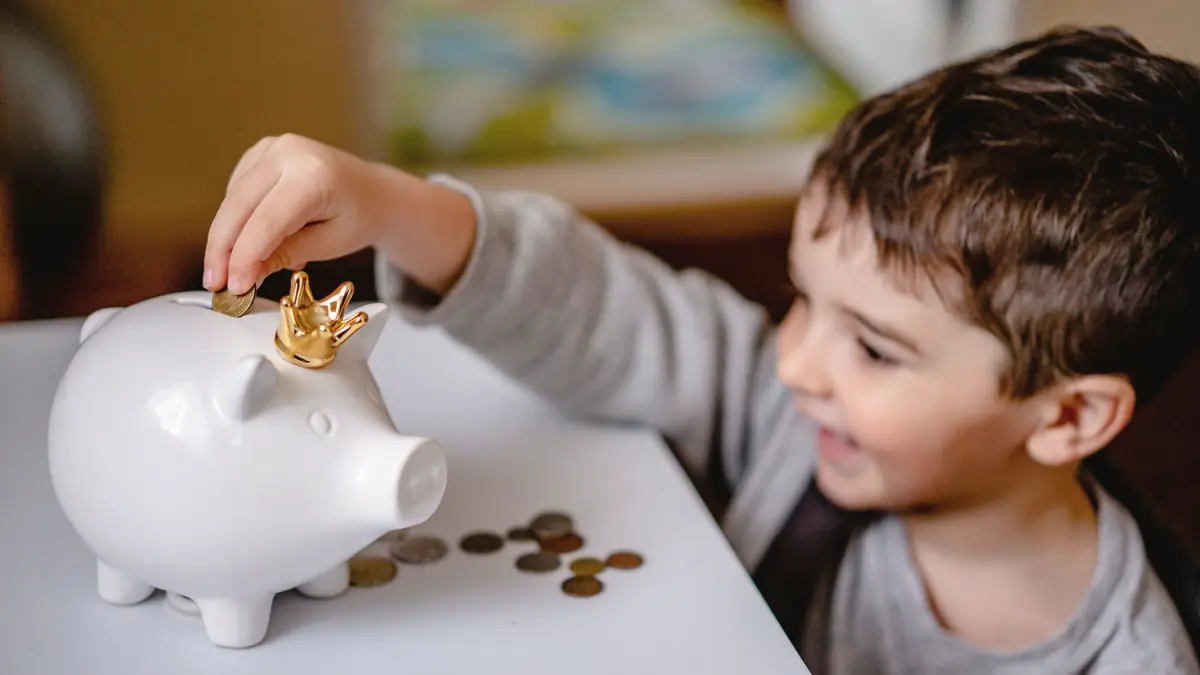
Most organising clubs run something for children: a treasure hunt around the tables, a free coin on the way in, or a youth auction with lots priced in single dollars. If you are bringing a child, ask at the door what is running, because these things are frequently unadvertised.
A show is also where a child can see the difference between a circulated and an uncirculated coin side by side, which no photograph conveys. One hour at the right table does more than a month of reading, and the beginners section suggests what to do with that hour.
What to bring
- A ten power loupe and a soft cloth to put coins down on.
- Cash in small notes, and a written want list with acceptable grades.
- A notebook for quoted prices, dealer names and grades.
- Holders or flips for anything you buy, so that purchases do not travel home loose in a pocket.
- If you are selling, the material unsorted and uncleaned, in whatever containers it already lives in.
After the show
Two tasks are worth doing the same evening. Record what you bought, from whom and for how much, because that record is the beginning of a provenance and it is also what an insurer will ask for. And compare the quotes you wrote down: four prices for the same coin from four tables is the most honest price guide you will ever have for this city.
If you sold, keep the receipt and the dealer's card. If you consigned anything, note the agreed commission and the expected settlement date; the auctions section explains what those terms normally look like and when to chase.