What happens at a coin club meeting
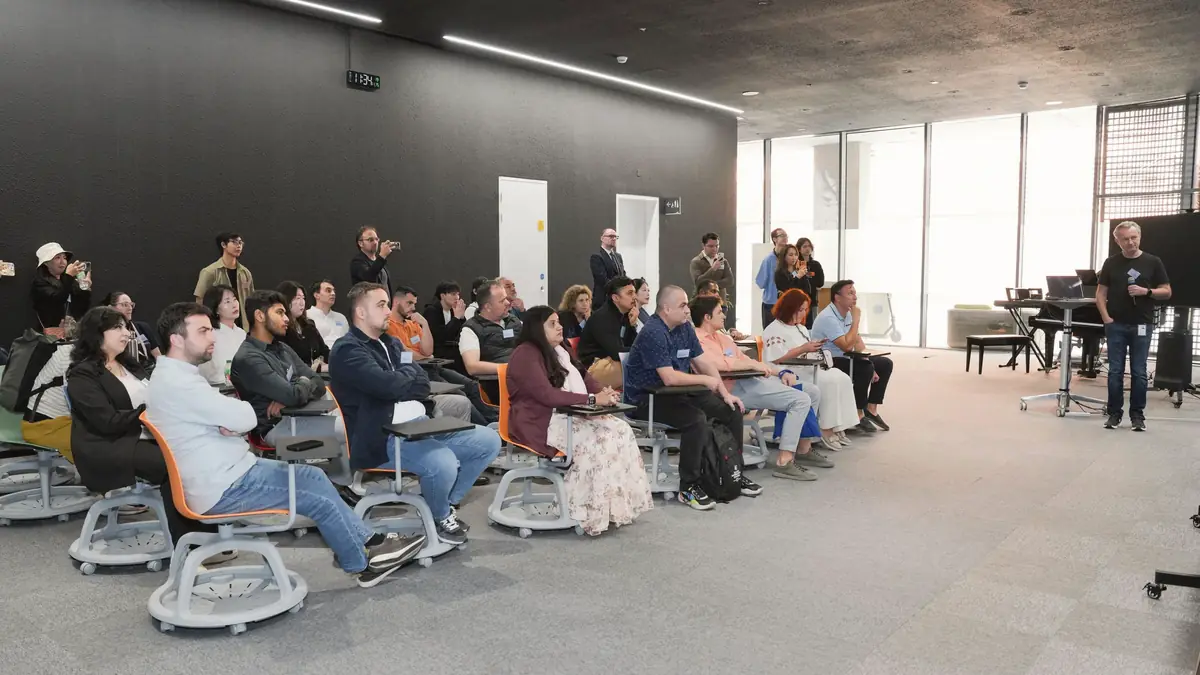
A local coin club evening in the United States follows a form that has barely changed in decades, and Albuquerque is no exception. Doors open half an hour before the start for informal trading. The meeting proper opens with club business, which takes ten minutes and which visitors can safely ignore. Then comes the educational talk, then a small auction of member lots, then a raffle, then everyone stands around talking for another half hour. Two hours in total.
The talk is the reason to come. It is usually given by a member about something they actually collect, which means a level of detail no book provides: the three varieties worth chasing in a series, the two fakes that circulate, the dealer who always has the odd denominations. That knowledge is local and it is not written down anywhere.
The members' auction
Most clubs run a short auction of lots brought by members. Lots are cheap, frequently a few dollars, and there is normally no buyer premium and no reserve. It is the least expensive way to learn what things sell for, because you watch real money change hands for coins you have just handled.
It is also where a beginner can sell a duplicate without any paperwork. The sensible first move is to watch one auction without bidding, note what the active buyers go for, and bring something similar next month.
Visiting for the first time
- Email or call before you come, because meeting rooms change and some clubs move venue between summer and winter.
- Expect to be asked to introduce yourself. Saying you are new and interested in one particular thing produces immediate help.
- Bring one coin you have a question about. A question about an object in the room starts a better conversation than a general one.
- Do not bring a large collection to a first meeting, and do not bring it unaccompanied. Meetings are public gatherings.
- Membership dues at local clubs are small, often in the region of twenty dollars a year, and usually include the auction privileges.
How to find a current club
Clubs appear, merge and go quiet, so any list printed on a website ages badly. Three routes work. The American Numismatic Association maintains club information and runs the national structure the local clubs affiliate to; it has been federally chartered since 9 May 1912 and is based in Colorado Springs (ANA, Our History). Local coin shops know which clubs are currently meeting and when, which is the fastest route of the three. And a regional show's organising club is by definition active, so the show flyer carries a live contact.
During the third full week of April, National Coin Week, clubs are more visible than usual: the association has held the observance in that week since 1942 and publishes activities for it, which clubs use as a hook for open evenings (ANA, National Coin Week).
What a club gives you that a shop does not
A dealer sells coins and is good at it. A club gives three things a shop cannot. The first is unhurried time with experienced collectors who have no stake in your purchase. The second is access to material that never reaches a shop window, because members sell to each other first. The third is calibration: hearing five people argue about the grade of one coin teaches grading faster than any guide.
For anyone holding an inherited collection, a club evening is the cheapest first step available. You can show one representative coin, get several independent opinions on what the holding probably is, and only then decide whether to approach a dealer or an auction house. The dealers page and the auctions section cover those next steps.
Etiquette
Three rules cover nearly everything. Ask before touching anything that belongs to someone else. Do not offer valuations you are not qualified to give, and treat valuations offered to you at a meeting as friendly opinions rather than appraisals. And if you bid in the auction, pay before you leave.